


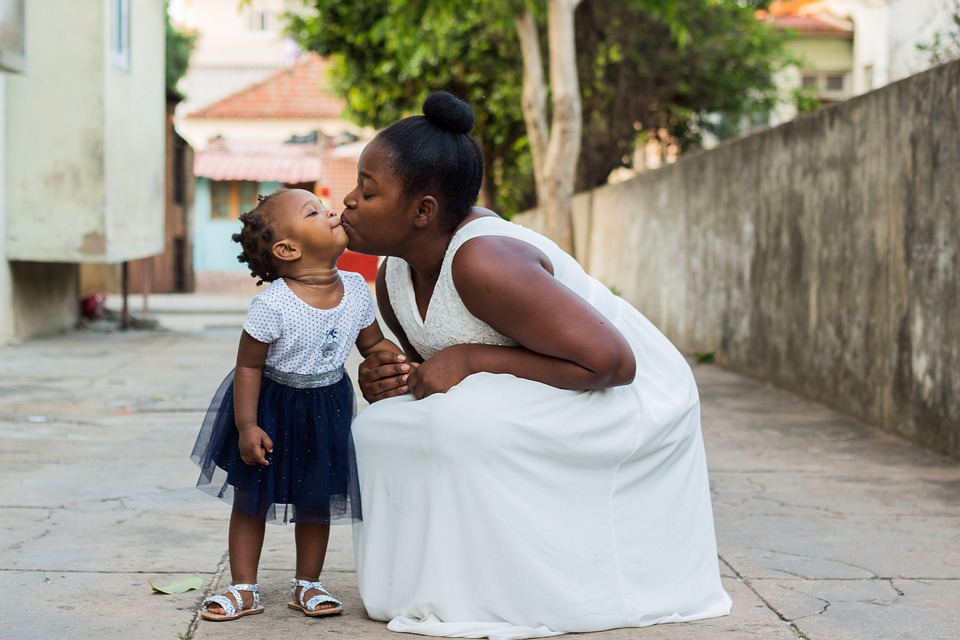
In an age where information is abundant and parenting styles are as numerous as the stars, one approach is gaining momentum among modern mothers: conscious parenting. This philosophy emphasizes mindfulness, emotional intelligence, and a nurturing environment. Its proponents argue that by cultivating awareness, families can thrive in a world that often feels chaotic and overwhelming.
Understanding Conscious Parenting
Conscious parenting is rooted in the belief that parents should not merely guide children but also evolve alongside them. Rather than emitting commands, this style promotes authentic communication where emotions are acknowledged and validated. According to Dr. Shefali Tsabary, a clinical psychologist and author of “The Conscious Parent,” this approach transforms parent-child dynamics, allowing for mutual growth and understanding.
Moms, as primary caregivers in many households, play a pivotal role in this transformative process. By embodying principles of mindfulness, they can create an emotionally safe space for their children, fostering resilience and empathy.
The Role of Mindfulness in Parenting
Mindfulness, the practice of being present in the moment without judgment, is at the core of conscious parenting. This approach encourages mothers to be attuned to their own emotions and those of their children.
Moms practicing mindfulness might engage in techniques such as meditation or deep breathing, helping them respond thoughtfully rather than react impulsively. This emotional regulation allows moms to model behavior for their children, teaching them how to navigate their feelings effectively. As Dr. Daniel Siegel, a neuropsychiatrist and author, states, “When we help children connect the dots between their emotions and their behavior, we empower them to care for themselves.”
Building Emotional Intelligence
Emotional intelligence, or the ability to understand and manage emotions, is more crucial than ever in today’s interconnected world. Moms practicing conscious parenting actively work to nurture this competency in their children. They encourage open discussions about feelings, helping kids label and express their emotions.
Research indicates that children with higher emotional intelligence tend to have better social skills, improved mental health, and greater academic success. By equipping children with the tools to navigate their feelings and relationships, conscious parenting paves the way for a more empathetic and conscientious generation.
The Nurturing Environment of a Mindful Family
A cornerstone of conscious parenting is cultivating an environment that fosters personal growth. This involves creating routines that prioritize connection, such as family meal times, regular check-ins, or joint activities that encourage teamwork. The aim is to strengthen family bonds and instill a sense of belonging.
Moms engaged in conscious parenting often emphasize the importance of screen-free time to promote face-to-face interactions. This approach can lead to deeper conversations, allowing both mothers and children to express themselves authentically without distractions. The result is a family dynamic that thrives on mutual respect and understanding.
Sharing Vulnerability
One of the most powerful aspects of conscious parenting is the willingness to be vulnerable. Moms who share their struggles with parenting, mental health, and self-care are not just leading by example; they are dismantling unrealistic expectations and fostering an environment where honesty is valued.
This vulnerability opens the door for children to share their own feelings without fear of judgment. It reinforces the message that it’s okay to make mistakes—what matters is how we learn and grow from them.
The Impact Beyond the Family
The benefits of conscious parenting extend beyond the immediate family. By nurturing emotionally intelligent and mindful children, moms contribute to a broader cultural shift. As emotionally aware children grow up, they carry these values into their schools, workplaces, and communities, promoting kindness and understanding in the world at large.
Moreover, conscious parenting can cultivate a generation that values mental health and emotional well-being. As they break cycles of dysfunction and neglect, these children are equipped to handle challenges with resilience and compassion.
Challenges and Support
While the principles of conscious parenting can be profoundly rewarding, they are not without challenges. Balancing the demands of life, work, and child-rearing can often leave mothers feeling overwhelmed. To counteract this, community support is vital.
Many moms find solace in groups dedicated to conscious parenting, where they can share experiences, challenges, and victories. These communities provide the encouragement needed to remain steadfast in their journey toward mindful, resilient parenting.
The Way Forward
The heart of conscious parenting lies in the realization that parenting is not just about raising children but also about growing as individuals. By fostering mindfulness, emotional intelligence, and open communication, mothers can nurture a thriving family environment. As these ideals take root, the ripple effects can transform not only families but communities and beyond, creating a brighter future for all.
Check Out Our Babies Shop