


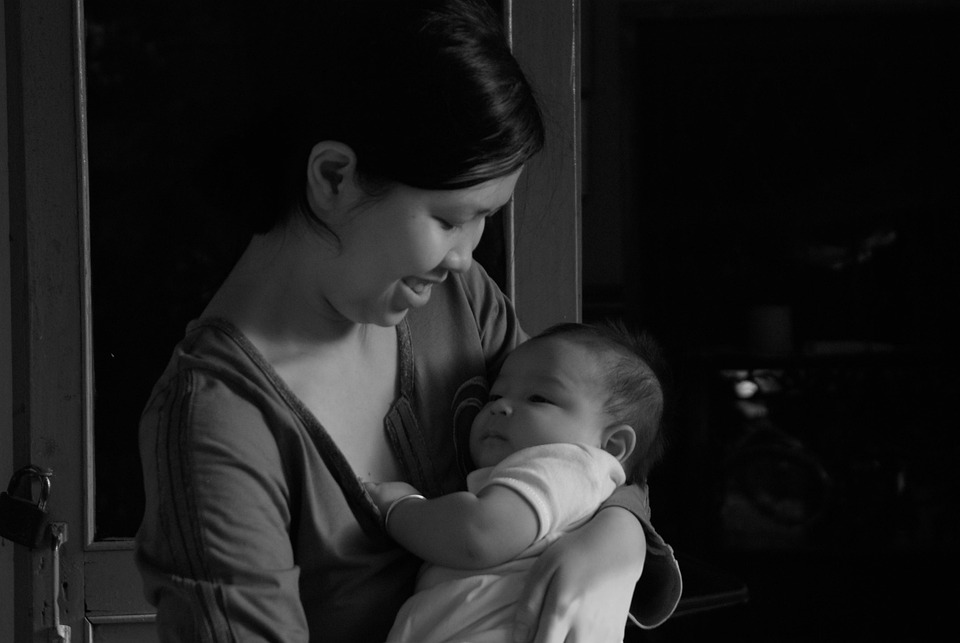
The arrival of a new baby is a transformative experience for any woman, but the joy of motherhood often comes hand-in-hand with an array of challenges. Whether you’re a first-time mom or expanding your family, understanding what to expect in the first year can help ease the transition. Here’s a closer look at some of the common challenges new mothers face and tips on how to navigate them effectively.
1. Emotional Rollercoaster
The first year of motherhood is a whirlwind of emotions. New moms often experience feelings ranging from sheer joy to anxiety and overwhelm. According to research from the American Psychological Association, nearly 70% of new mothers report feeling some level of postpartum depression.
It’s crucial to acknowledge these feelings and not shy away from seeking support. Building a network of other mothers can provide emotional outlets and shared experiences. Consider joining local mom groups or online forums where you can discuss your challenges, seek advice, and find community.
2. Sleep Deprivation
One of the most significant challenges new parents face is sleep deprivation. Babies have irregular sleep patterns, often waking every couple of hours for feeding and comfort. The National Sleep Foundation highlights that new parents can lose up to 750 hours of sleep in the first year.
To tackle this issue, moms can establish a routine that includes napping when the baby sleeps. Share nighttime duties with a partner, if available, to allow for longer, uninterrupted sleep. Prioritizing sleep hygiene—keeping your sleep environment dark and quiet—can also make a considerable difference.
3. Physical Recovery
The physical toll of childbirth varies greatly among women. Some new mothers encounter challenges like perineal pain, cesarean section recovery, or breastfeeding difficulties. Understanding your body’s needs and limitations is essential in the healing process.
Postpartum recovery can take time. It’s important to follow healthcare provider guidelines, and don’t hesitate to ask questions about physical changes. Pelvic floor exercises may also be recommended to regain strength. Additionally, consider seeking help from lactation consultants for breastfeeding challenges. They can offer invaluable support to ensure both mother and baby are comfortable.
4. Work-Life Balance
As a new mom, the shift from being solely work-focused to balancing home and family life can be daunting. Statistically, many women in the workforce opt for maternity leave, but returning to work can trigger feelings of guilt or anxiety about leaving their newborns.
Effective planning can alleviate these pressures. Explore flexible work arrangements, such as remote work or adjusted hours. Communicate with your employer about your needs, and don’t hesitate to lean on family or friends for support. Remember, it’s perfectly okay to prioritize your mental and emotional well-being in this transition.
5. Cultural Expectations and Support
Mothers often face societal pressures dictating how they should parent, act, and adjust to motherhood. From the “perfect” mother image portrayed on social media to unsolicited advice from friends and family, these pressures can be overwhelming.
It’s critical to carve out your path. Educate yourself on parenting techniques and make informed choices that feel right for you and your baby. Embrace imperfections; motherhood is not about being flawless, but about being authentic. Building your community of supportive individuals who respect your choices can mitigate feelings of being overwhelmed.
6. The Support System: More than Just Your Partner
While partners play a crucial role in a new mother’s journey, the importance of a broader support system cannot be understated. Family, friends, midwives, and even online communities can provide different types of assistance, whether it’s physical help around the house or emotional support during tough times.
Don’t hesitate to ask for help, whether it’s with chores or simply having someone to talk to. A support network not only eases day-to-day responsibilities but also enriches the overall experience by providing diverse perspectives and insights.
7. Self-Care is Non-Negotiable
Amidst the chaos of new motherhood, self-care often takes a backseat. However, prioritizing yourself is crucial for your emotional and physical well-being. Simple acts like taking a long shower, enjoying a favorite hobby, or even going for a walk can provide much-needed respite.
Creating a reasonable self-care routine can significantly impact your overall happiness and reduce stress levels. It can also set a positive example for your children about the importance of maintaining balance and caring for oneself.
Conclusion
The first year of motherhood is undoubtedly challenging, filled with ups and downs. However, by arming yourself with knowledge and strategies, you can navigate this journey with greater ease. Remember that it’s okay to seek help and prioritize self-care; nurturing yourself allows you to provide the best care for your little one. Each mother’s journey is unique, and embracing your path, with all its challenges, will help you grow into the mom you aspire to be.
As you step into this new chapter, remember: you are not alone. Embrace the journey, and allow yourself to feel every emotion—joy, frustration, love—as you grow alongside your child.
Check Out Our Babies Shop