


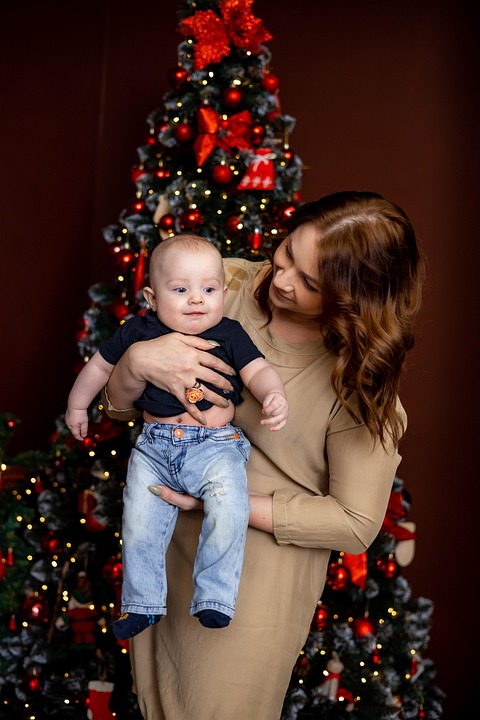
Becoming a mother is one of the most transformative experiences in a woman’s life. However, navigating the postpartum phase can be overwhelming. Understanding your body, recognizing emotional changes, and finding support are crucial to ensuring a smoother transition into motherhood.
Understanding Postpartum Health
Postpartum health encompasses physical, emotional, and mental well-being after childbirth. The term “postpartum” refers to the period after delivery, typically extending up to six weeks. However, many women face challenges that can last much longer.
Physical Recovery
The physical journey to recovery is just as significant as the emotional one. Here are some common areas of concern:
- Uterine Contractions: After delivery, the uterus contracts to its pre-pregnancy size. These contractions, known as afterpains, can be uncomfortable.
- Vaginal Healing: If you had a vaginal delivery, you might experience soreness or tearing. Keeping the area clean and using ice packs can aid recovery.
- Cesarean Section Care: After a C-section, your incision should be monitored for signs of infection. Gentle movement and avoiding heavy lifting can help.
- Breast Changes: Hormonal shifts and breastfeeding can lead to sore nipples and engorgement. Proper latching techniques can alleviate discomfort.
Nutritional Needs
Nutrition plays a pivotal role in recovery and sustaining energy levels, especially for breastfeeding mothers. Here are essential nutrients and dietary tips:
- Hydration: Drink plenty of water, aiming for at least 8-10 cups a day to support milk production and combat fatigue.
- Protein: Incorporate lean meats, beans, and legumes to support tissue repair and muscle recovery.
- Omega-3 Fatty Acids: Found in fish, walnuts, and flaxseeds, these are crucial for brain health, both for mothers and babies.
- Fruits and Vegetables: High in vitamins and minerals, they support immune function and overall health.
Emotional Well-being
Postpartum depression (PPD) affects about 15% of new mothers, but the emotional roller coaster can start even before birth. Recognizing symptoms and seeking help is vital.
Common signs include:
- Persistent sadness or hopelessness
- Increased anxiety or panic attacks
- Difficulty bonding with your baby
- Emotional numbness or extreme mood swings
If you experience any of these symptoms, it’s crucial to talk to a healthcare provider. Therapy, support groups, and, in some cases, medication can make a significant difference.
Physical Activity
Returning to physical activity post-birth can be beneficial. However, it’s essential to listen to your body and consult with your doctor.
- Walking: A great starting point, walking can enhance cardiovascular health and mood.
- Pelvic Floor Exercises: These are crucial for recovery, especially for those who had vaginal deliveries.
- Gradual Return to Workouts: After a medical clearance, slowly reintroduce yoga, swimming, or other low-impact activities.
Support Systems
Support is vital during this transition. Here are ways to build a support network:
- Partner Support: Open communication with your partner can establish shared responsibilities.
- Family and Friends: Don’t hesitate to ask for help with household tasks or baby care.
- Support Groups: Local or online groups can help you connect with other new mothers who understand your challenges.
When to Seek Professional Help
Many aspects of postpartum recovery are normal, but some require medical attention. Be vigilant and seek help if you experience:
- Severe abdominal pain
- Heavy bleeding (soaking through a pad in an hour)
- Signs of infection (e.g., fever, redness around stitches)
- Persistent feelings of sadness or anxiety that interfere with your daily life
Final Thoughts
The postpartum period can be both beautiful and challenging. Remember, it’s important to prioritize yourself as much as your baby. Seek help, take care of your body, nourish your mind, and lean on your support system. By understanding your postpartum health, you can make informed choices that benefit both you and your child.
Embrace this journey with compassion and patience, and remember: you are not alone.
Check Out Our Babies Shop